Legacy Shopify theme migration to a maintainable codebase
A Shopify merchant running a heavily customised legacy theme had accumulated years of ad-hoc changes across multiple contractors and tool versions. Third-party app conflicts and undocumented overrides had rendered the codebase fragile — every release carried significant regression risk, and new feature delivery had slowed to a crawl.
Pattern
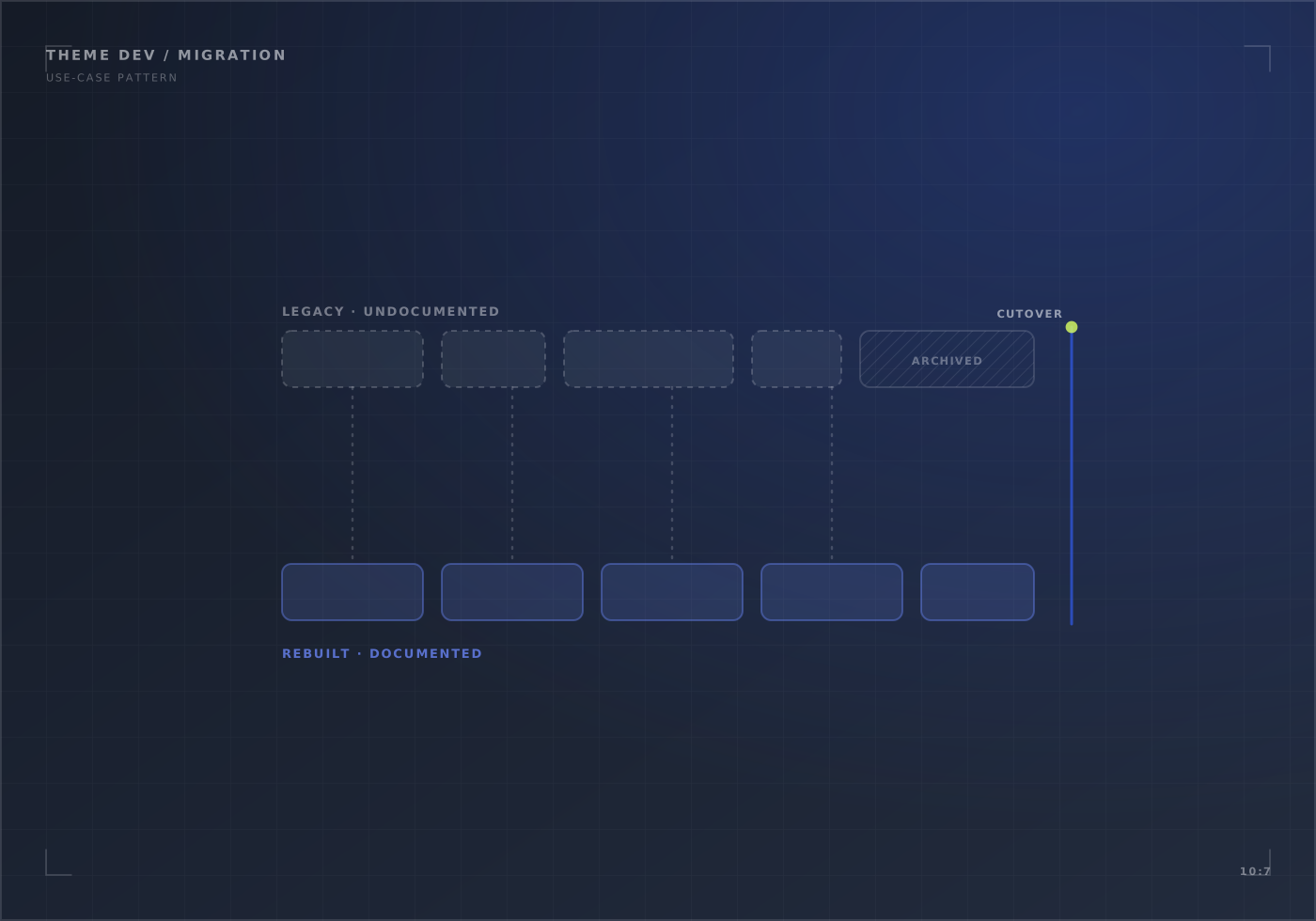
Parallel-build theme migration with an explicit feature-parity gate. A new Shopify theme codebase is built alongside the live store, validated section by section, and cut over only once parity is confirmed. The old codebase is archived rather than patched.
Applicability
Shopify merchants where:
- The live theme has accumulated undocumented changes across multiple years or contractors
- Release velocity has declined because engineers are wary of regressions
- Third-party app conflicts are frequent and poorly understood
- The codebase has no clear component inventory or documentation
Evidence basis
Pattern derived from Shopify theme migration engagements. Evidence strength: observed (release confidence and conflict elimination following migration).
Caveats
Migration scope and complexity depend on the number and nature of existing customisations. A component inventory audit is typically required before a timeline can be estimated.
Parallel-build migration strategy: a new codebase authored against an explicit component inventory, with feature-parity validated section by section before cutover. Customisations catalogued and rebuilt to a defined interface. App integrations re-implemented systematically. Zero customer-visible downtime during the transition.
The merchant's development team gained a clean, well-documented Shopify codebase. Release confidence improved and third-party app conflicts were eliminated by rebuilding only what the store genuinely required.
Recognise this pattern in your store?
A free triage call is the fastest way to find out whether this pattern applies to your situation — and what the right next step would be.