In-flow upsell and cross-sell architecture to improve attach rate
A Shopify merchant with a relevant accessories and upgrades catalogue lacked a systematic mechanism to surface complementary products at the right moment in the purchase flow. Upsells were inconsistently presented — sometimes as disruptive pop-ups, sometimes absent entirely — and rarely converted. A significant proportion of orders shipped without attach items that customers would have valued.
Pattern
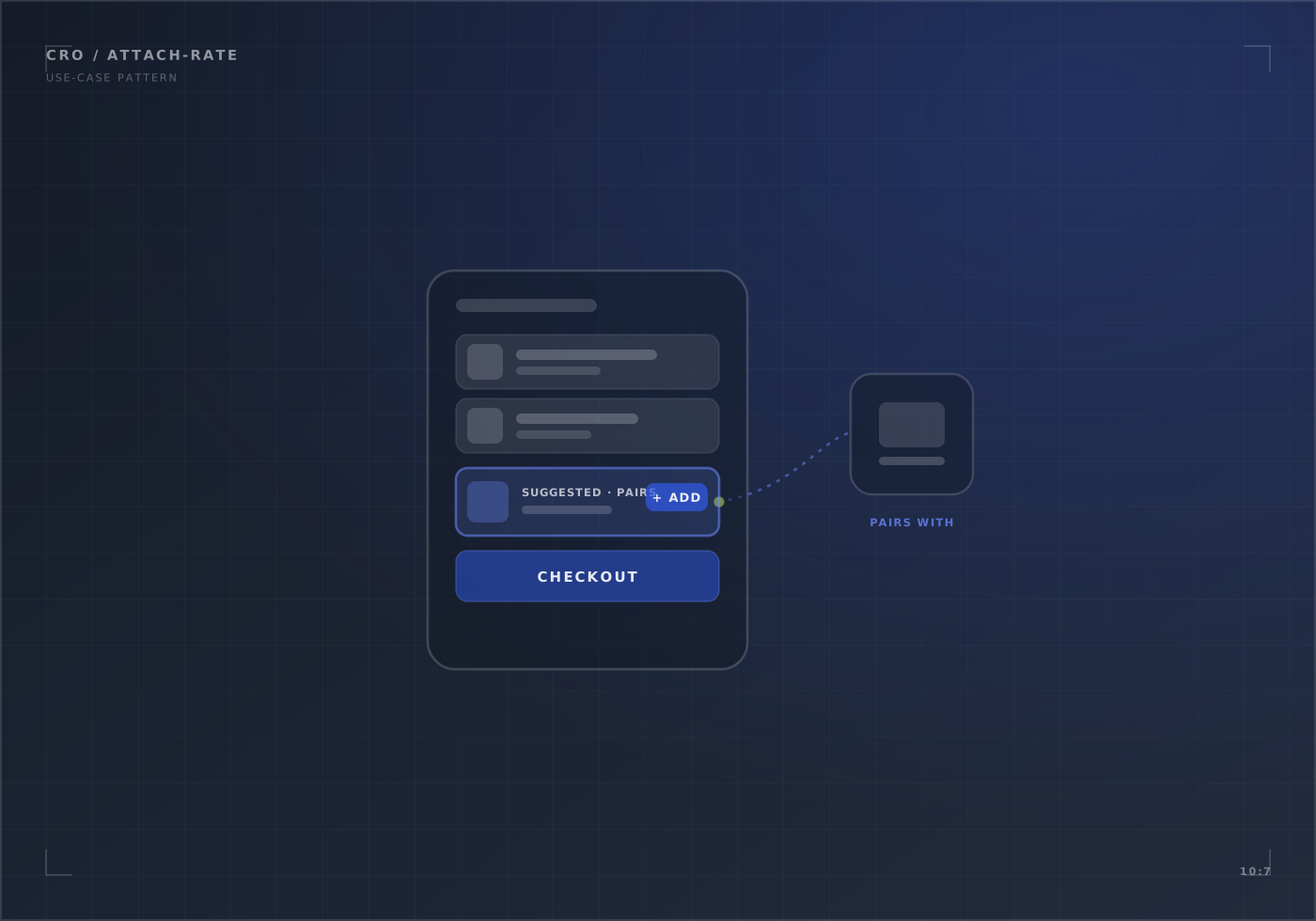
Relationship-driven in-flow upsell: product pairings defined explicitly via metafields, surfaced as contextual suggestion components at the add-to-cart and cart review moments. The design respects purchase intent — suggestions appear inline, not as interruptions.
Applicability
Shopify merchants where:
- The catalogue includes accessories, upgrades, or consumables that complement primary products
- Current upsell presentation relies on pop-ups, exit intent, or third-party apps that create friction
- Order-level data shows a low proportion of multi-item orders relative to catalogue breadth
- Product relationships are well understood by the merchandising team but not encoded in the store
Evidence basis
Pattern derived from Shopify upsell architecture engagements. Evidence strength: observed (attach rate improvement visible in order-level data).
Caveats
Improvement in attach rate depends on the relevance and quality of the product relationships defined. Poorly matched suggestions can increase friction rather than revenue. A relationship mapping exercise is typically required before implementation.
Attach-rate system built on Shopify metafields to define product relationships explicitly. Complementary products surfaced as in-flow suggestion components at the add-to-cart and cart review moments — designed to respect the customer's current intent rather than interrupt it. No pop-ups; no post-purchase gates.
Attach rate for accessory and upgrade products increased following deployment of the in-flow suggestion components. The change was visible in order-level data within the first trading period.
Recognise this pattern in your store?
A free triage call is the fastest way to find out whether this pattern applies to your situation — and what the right next step would be.