A rental operation, bent onto one Shopify store.
A trade-show rental commerce business running across multiple show-specific Shopify stores, consolidated into one maintainable storefront — with rental-aware checkout fields, clearer pickup and delivery-to-booth flows, per-show inventory visibility, and a rental-platform evaluation alongside.
- Industry
- Trade-show display & event rental commerce
- Platform
- Shopify
- Theme
- Dawn
- Engagement
- Since November 2024
This is a capability engagement. The proof is the work itself — we publish no traffic, conversion or revenue figures here, because the evidence supports the build, not a numeric outcome claim.
Built with.
- Rental Flow
- Mechanic
- Shopify Flow
- Zapiet
- Online Store 2.0
- Liquid
A rental model wearing a retail platform's clothes.
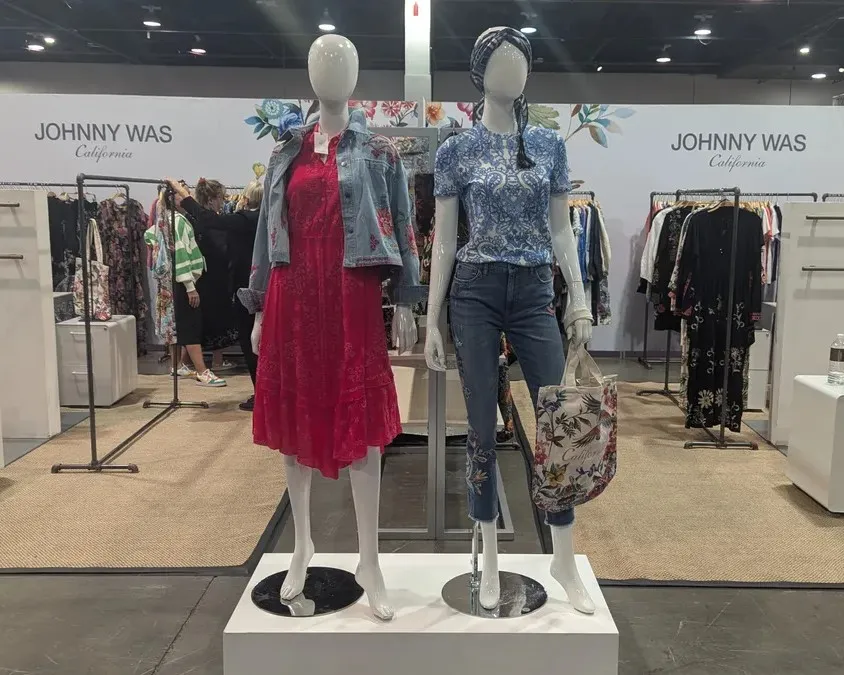
D&B Rental Displays rents trade-show display and event-support inventory — mannequins, dress forms, steamers, hangers, booth kit — to exhibitors across many shows and venues. The commerce model is not "buy and ship"; it is "book it, collect or have it delivered to a stand, use it for the run of the show, return it." That is a rental operation wearing a retail platform's clothes.
By the time we came in, the storefront side had grown the way these things do: into a sprawl of show-specific Shopify stores — separate fronts for shows like MAGIC Miami, Las Vegas, Texworld and Coterie — each a place to maintain, each a place for the model to drift. Rental checkout didn't reliably capture the operational fields an order actually needs to be fulfilled — company, contact phone, show location, booth number — and the same questions came back every show: is this pickup or delivery, where do I collect, when is it ready.
The one real constraint was clear, and it wasn't cosmetic. Shopify is a sales platform, not a rental platform; making it carry a booking, collection and return model across a fleet of stores — against the clock of a live show calendar — is a commerce-architecture problem, not a theme tweak.
Fewer moving parts, and a checkout that behaves like the operation.
We shaped the change around the constraint rather than around the symptoms. The direction: collapse the fleet toward one maintainable storefront while still landing a customer in the right show context, and make rental checkout collect what fulfilment actually needs instead of chasing it by email after the order.
MAGIC Miami was identified early as the store to consolidate onto. Show and event selection would be preserved through domains, subdomains, menus and storefront routing — so a customer still arrives in the right show context without us running a separate store for each one — and the retail / Deals by DB direction would be kept in its own lane, distinct from the rental flow.
Shopify, made to behave like a rental operation.
We engineered the fix in the Shopify system itself, integrating proven tools where they fit and building bespoke only where the rental model demanded it. Rental checkout was made to capture the operational fields a rental order depends on — company, phone, show location and booth number where required — through cart-level fields and order attributes, so the data the warehouse and the stand need travels with the order.
The pickup-and-delivery confusion was cut with clearer local-pickup, delivery-to-booth and ready-for-pickup flows: a tag-triggered ready-for-pickup email built on Mechanic that lists the actual order items, and packing slips that pull the booth number and company name instead of irrelevant billing and shipping clutter. Availability was made legible by show and location using multi-location inventory and product metadata, so stock reads correctly per show rather than as one undifferentiated pool.
Alongside the storefront work, we evaluated Booqable for rental-native booking, delivery and checkout logic — venue and zip-code validation, mixed-location booking restrictions — as the storefront and the rental engine were separated into clearer roles.
One storefront to keep current, instead of a fleet.
A rental business that was spread across show-specific stores now runs on a consolidated, more maintainable Shopify foundation: one storefront to keep current instead of a fleet, checkout that captures what a rental order actually needs to be fulfilled, and pickup/delivery flows that cut the back-and-forth around booth logistics. Show context is preserved through routing rather than through duplicated stores, and the rental and retail directions sit in their own lanes.
This is a capability story, and we're deliberate about that. We are not publishing order or revenue figures: the evidence here is operational and chronological — what was built, routed, notified and launched — not a measured business result, and we don't dress operational history up as one. The substance is the commerce architecture and the rental-aware checkout and fulfilment flows: Shopify made to behave like a rental operation, across a calendar of live shows where there is no second take.
Recognise this in your store? Bring this page to the call.
We'll tell you in 20 minutes whether the same constraint applies to your situation — and what the right next step would be.